In February I wrote that reading aloud is for adults too, listed reasons, and suggested you try a Shakespeare sonnet. Reading aloud invites several kinds of magic into our lives, I noted. Now I’m back with three more things to read aloud, a note on how I use reading aloud in my writing, and an activity which may feel adventurous and will likely turn out beautifully.
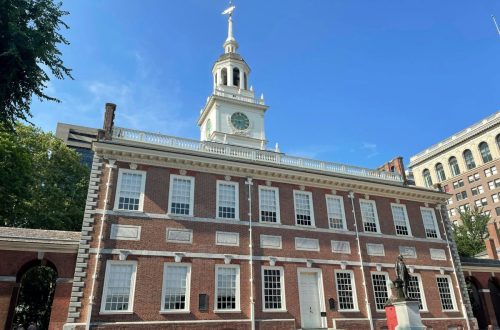
First, not just because it’s July, read the entire Declaration of Independence aloud. Take your time. Practice until you feel connected to the words. The Continental Congress left much of Thomas Jefferson’s original power intact. Be sure to read the signers’ names aloud. They deserve it.
This beloved excerpt, for example, is more powerful when you read aloud, especially when you read it with the whole Declaration:
“We hold these truths to be self-evident, that all men are created equal, that they are endowed by their Creator with certain unalienable Rights, that among these are Life, Liberty and the pursuit of Happiness.—That to secure these rights, Governments are instituted among Men, deriving their just powers from the consent of the governed.”
Second, pick a chapter of the Old Testament Book of Isaiah, preferably the King James Version. I suggest Chapter 53 or 54. Both are beloved and relatively free of inscrutable personal and place names to trip us up.
Isaiah can be difficult; we’re only half-joking when we say a few chapters of Isaiah can stop a bullet. But some of his poetry survives translation. If you love beautiful language and want the book to come alive, read aloud. Read and re-read a few verses at a time, not the whole chapter, until the words cease to be a formless mush and begin to reveal their structure, poetry, and power. Watch for the repetition of ideas, not rhyme.
This is from Chapter 54:
“For a small moment have I forsaken thee; but with great mercies will I gather thee. In a little wrath I hid my face from thee for a moment; but with everlasting kindness will I have mercy on thee.”
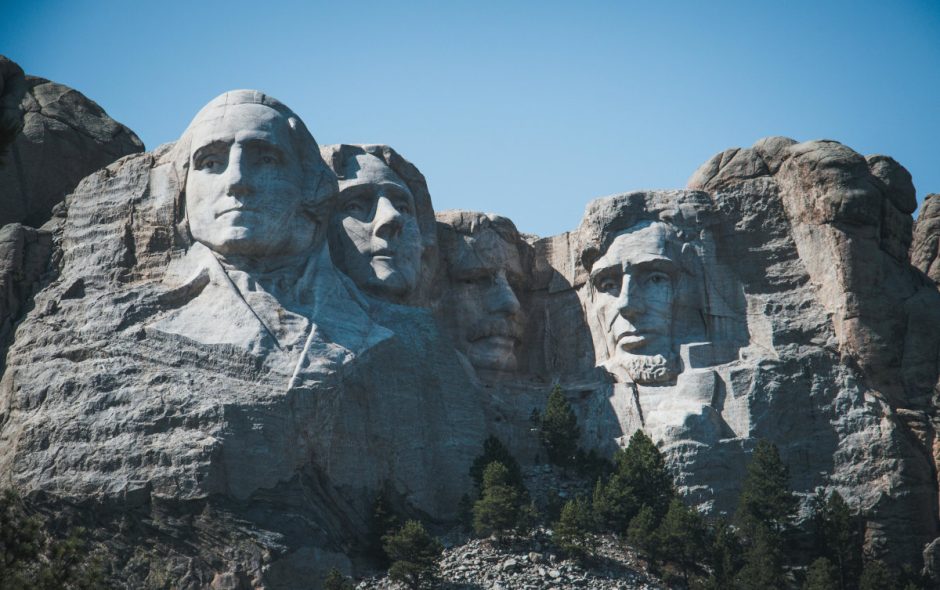
Third, Abraham Lincoln’s Second Inaugural Address is a masterpiece by one of the English language’s greatest writers, and it is unimaginably short by modern standards. It has only a fraction of its power if you read silently, so read aloud. Soon enough, before the most famous part near the end, you’ll encounter this passage:
“Fondly do we hope—fervently do we pray—that this mighty scourge of war may speedily pass away. Yet, if God wills that it continue, until all the wealth piled by the bond-man’s two hundred and fifty years of unrequited toil shall be sunk, and until every drop of blood drawn with the lash, shall be paid by another drawn with the sword, as was said three thousand years ago, so still it must be said ‘the judgments of the Lord, are true and righteous altogether.’”
As a writer, I’m not in Lincoln’s, Jefferson’s, or Isaiah’s league, but I read my own words aloud, as I edit and revise them. For a final proofreading pass, my computer reads to me, while I follow along. It’s clunky but effective. Occasionally, when I struggle with a scene or chapter, I record myself reading aloud and listen repeatedly, until I see what I can do. It’s painful. Rarely, I listen as someone else reads my words aloud to me, which is even more helpful but excruciating.
Whether we write or not, the effort to read aloud with inflection, emphasis, and pace, helps us understand the words and the author.
Here’s that adventure that may end beautifully. Find someone you can help by reading aloud, whatever they want you to read. Read to an aged or ailing neighbor or relative. Read to strangers—not strangers for long—at a hospital or senior living center. Audiobooks are a blessing, but they don’t offer the same human connection.
Don’t exclude the possibilities of doing this for someone remotely. Don’t wait for an opportunity to fall in your lap. Seek it out, as I’ll be doing now. And don’t stop at just one visit. Make it a habit. Do some low-key, extra good in your world. Read aloud to someone.
This column appeared in the American Fork Citizen in July 2025. Reprinted with permission. Photo by Karlee Heck at Pexels.com.