I love basketball, and I’m a Utah Jazz fan, but I’ve watched very little of the NBA this season. Too many teams are trying to lose games by the bushel to improve their draft position, including the Jazz. Losing is part of the game, but intentionally losing shouldn’t be. It ruins the product.
I understand why teams tank; there are only so many ways to build a championship team in the NBA as it exists. Getting top draft picks is crucial, especially for small-market teams.
The 2026 draft seems unusually deep with top-tier players, including BYU’s A. J. Dybantsa. That’s probably why the race to the bottom is so crowded this season.
The NBA tries to minimize tanking by having a draft lottery, rather than simply awarding the first pick in the next draft to the team with the worst regular season record. In 2025 the three teams with the worst records each had a 14 percent chance of picking first.
The league also sporadically fines a tanking team to make a point. The point is stupid: that teams shouldn’t make perfectly rational decisions based on the incentives the league itself has created.
I get the need to spread top talent around, for the sake of competition and therefore revenue. It makes sense to pursue that goal through the draft. But having two teams in each game who play to win is important too, and the NBA is failing miserably at that.
Here’s my plan. For all the current chatter, I haven’t heard or read anything like it in the media.
In the first round, there will still be a lottery, but with no incentive for tanking. A team’s chances will be based not on its win/loss record, but on how many years it’s been since that team had the number one pick, either organically or by trade. Since 1976, when the NBA and ABA merged, 7 of 30 NBA teams have never had a number one pick: Boston, Denver, Indiana, Memphis, Miami, Oklahoma City, and Utah. Some other teams have had several. If we’re interested in spreading the talent around, we should fix that too.
If we use my plan for the 2026 draft, Dallas will have one chance to get the first pick, because they got it last year. Atlanta picked first two years ago; they will get two chances. Cleveland last picked first 12 years ago, so 12 chances. Sacramento, 37. The Knicks, 41. The Lakers, 44. Any team without a number one pick since the merger will get 100 chances every year until they get one.
The team that wins the first pick will be removed from the drawing for the second pick, and so on, so each team will have one first-round pick.
I’ll spare you most of the numbers, but if I did the math right, Dallas will have 1 chance in 1,106. Utah’s chances will be nearly 1 in 11. The chances that the first pick will go to a team that has never had one will be 700 in 1,106—over 63 percent.
If you get the first pick this year, it will probably be a while before you get it again. This will tend to prevent another recurring imbalance. Orlando, Houston, and Philadelphia each picked first in two consecutive years. Cleveland had the first pick two years in a row and three times in four years.
As it happens, the team that picks first this year will be the most likely team to pick last in next year’s first round.
We’ll hold the lottery shortly after the window closes for players to declare for the draft, so they can’t game the system easily either.
The second round will work differently. It’s less consequential, and the drop-off in player quality from one slot to another is negligible. We’ll allot second-round picks based on regular season record, but best to worst, not worst to best—offering a small incentive to win games. Ties will go to the team that has gone longest since a number one pick. If a tie is between teams who’ve never had one, we’ll flip a coin.
My plan will eliminate the incentive to tank but still spread the talent around. It will be fairer to teams who haven’t picked first in decades, or never have. It will dramatically improve the NBA for the fans—and the players and coaches too.
Prove me wrong.
Originally published in the American Fork Citizen, March 20, 2026. Reprinted with permission.
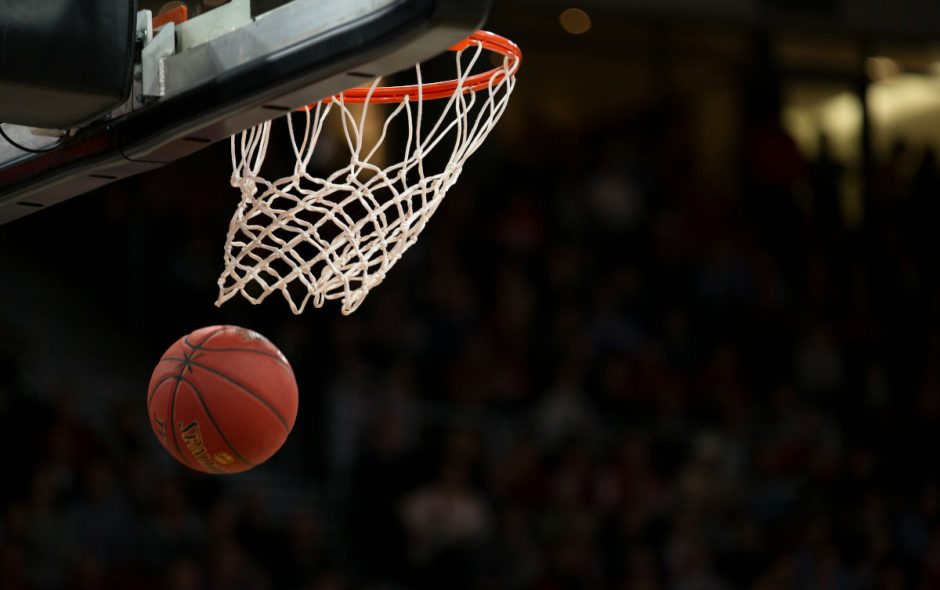
Photo credit: Markus Spiske on Unsplash