Be More Human, Not Less

Imagine you and I are identical twins. We can look however you choose.

We were uncommonly close until some family, economic, or geopolitical upheaval separated us at age 12. We haven’t seen or heard from each other since. Now we’re 40. (I’m imagining too.) You’ve missed me, wondered how I’m doing and what my life is like, and longed to share all sorts of your life’s moments.

You’ve searched for me online over the years without success, and small wonder. Our surname is Jones and our given names Robert and Michael (or Mary and Elizabeth, as you please).

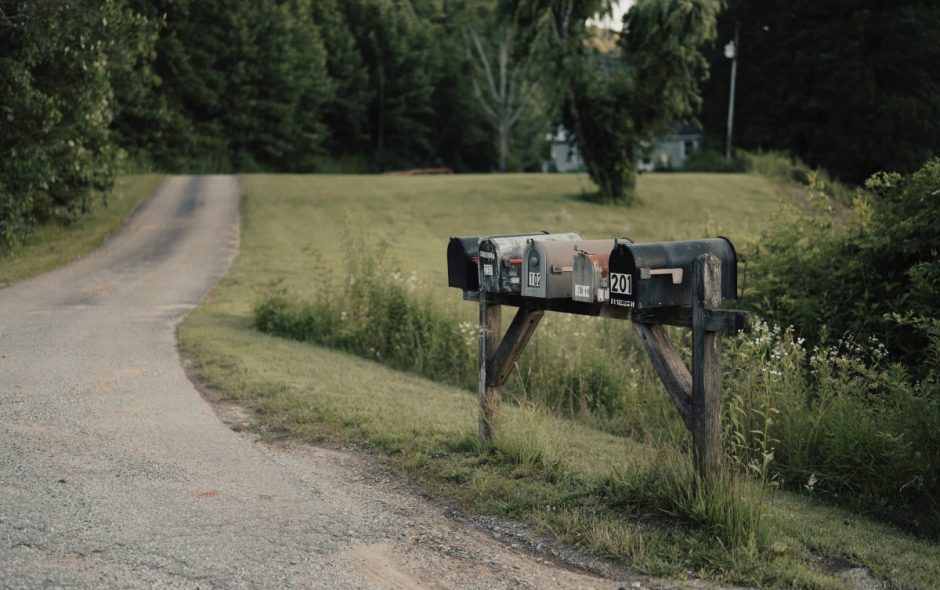
Today you find a letter from me in your mailbox, four typed pages with my handwritten signature at the end, plus a small photo. (We still look alike.) You read hungrily of more adventures than you’ve had and the natural beauties of the place where I now live. I mention childhood memories you don’t recall, but we all forget different things.

You’re delighted to reconnect. Before you reach the end, you restart at the beginning, you’re enjoying this so much.

Finally, you read my last lines: “I hate writing, so I had ChatGPT compose this. It’s not all true, but I wanted to send a long letter, now that I’ve found you.”

How do you feel now?

Teaching Children to Read Books

Less than half a hundred years ago, in a high school gym in southeast Idaho, I gave a brief valedictory address. When the commencement ceremony ended, two parents sought me out with a question: “How can we get our children to enjoy reading books?”

Looking back, I’m not sure why parents would seek out an unmarried, childless, newly minted high school graduate with a parenting question. But I had read a lot of books, and it showed.

“How often do they see you reading books?” I asked.

Not often, they allowed. I don’t recall what I said next. Maybe it was, “They need to see you enjoying books.” Maybe I just shrugged, suggesting they’d answered their own question.

I had a point then, but when I get that question now, I have more answers.

Reading Aloud (again)

In February I wrote that reading aloud is for adults too, listed reasons, and suggested you try a Shakespeare sonnet. Reading aloud invites several kinds of magic into our lives, I noted. Now I’m back with three more things to read aloud, a note on how I use reading aloud in my writing, and an activity which may feel adventurous and will likely turn out beautifully.

This Writer and That Marching Band

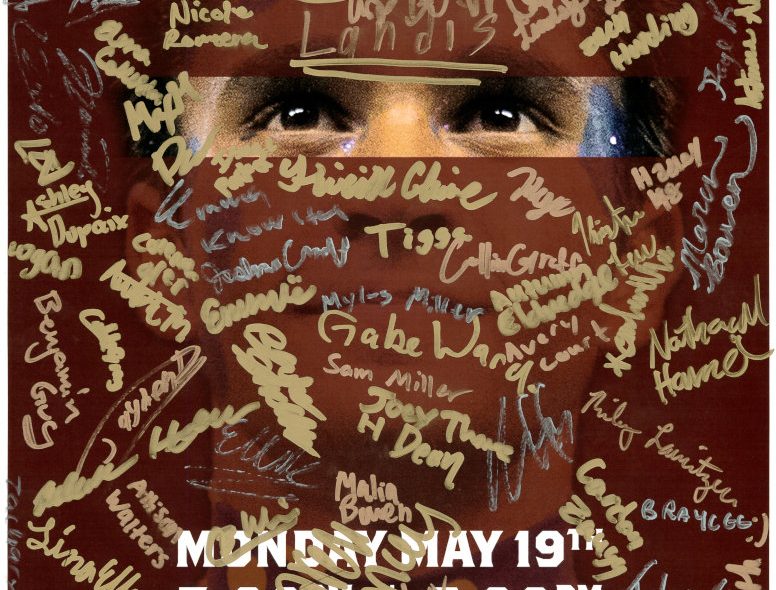
For a change, this month’s column is not about reading books. You could say it’s about reading hope in some local high school students.

Human civilization is built over generations in fits and starts and at enormous cost. On a good day we build it slightly faster than its enemies dismantle it. In real life as in Dostoevsky’s novels, good’s margin of victory over evil is narrow indeed. We may disagree on who is building and who is dismantling lately, and how and why. But we sense there haven’t been enough good days recently.

True, we’re surrounded by good things. Some things are the best they’ve ever been. But it’s easy to lose hope, especially if we imbibe the 24/7 news cycle and the endless, performative musings of the professional commenting class. It’s easy to look ahead and look around and despair for the future.

I’ve found an antidote in the past, and it still works: spending time with local youth. It hasn’t always been the American Fork High School Marching Band. It doesn’t have to be a band at all. But lately it has been, again.

The Lusty Month of May (Bookish Version)

Remember that song in Camelot, “The Lusty Month of May”? If not, I’ll wait while you divert to YouTube for a moment. Search “lusty month of May Sierra Boggess.” If you’re in a hurry, skip the first 2:40 of the introduction. But seriously, don’t be in a hurry.

Now that you’re back, a proposition: May, not February, is the month of romance.

We’ll chat here with two Utah romance authors. I’ll note some believable and unbelievable statistics I found. And we’ll visit a romance bookstore in Lehi to ask, of all things, do men read romance? Should they? Why? We’ll finish with a line from Shakespeare.

We Also Read to Heal

If we’re not taught to loathe reading from an early age, we soon find many reasons to read, including learning and enjoyment.

The first book I remember not buying was a thin paperback at the grocery store. It promised to explain how weather works, and I wanted to learn. I asked my parents to buy it for me, but they bought me a book about Native Americans instead. I cried. Then I read it and learned some things, but not about the weather.

The first book I remember buying for myself was a Hardy Boys book, The Arctic Patrol Mystery. A classmate loved the series and encouraged me to try it. In Kmart’s book section I chose the one with an airplane on the cover. The blue hardback cost less than two dollars. I eventually read the entire original series, all 58 mysteries.

For Holy Week: Mostly Music

This post grew from Palm Sunday to Easter, as I added music for each day of Holy Week, plus links to passages in the New Testament Gospels about each day (except Wednesday).

(I’m using embedded YouTube videos for the music. For most of you that means adds, usually skippable. Sorry about that.)

Music for Holy Week

Palm Sunday

I remember visiting Old Jerusalem, walking through its gates, viewing it from the Mount of Olives. My time there wasn’t quite the same as the New Testamant describes, but for me it was a remarkable day.

Here Stanford Olsen, an acclaimed veteran of the Metropolitan Opera, sings “The Holy City” with the Tabernacle Choir at Temple Square. I remember singing this splendid anthem as a teenager in a much smaller choir. I recall hearing my father-in-law sing it too.

Bookstore Memories

A teenage son and I were at Powell’s City of Books in Portland, a recurring pilgrimage. I was browsing in Fiction when his distress call came.

He was half a building away, lurking in his favorite subsection of History. He had filled an entire basket with books to buy, and he needed help.

To his credit, he already knew he needed two kinds of help. He needed time to reduce his selections to a manageable stack of several. That took him most of an hour. Then he would still need more funds than he’d saved for books. He solicited and quickly received contributions from bookish family members, and he came away with a heartwarming but reasonable stack of books.

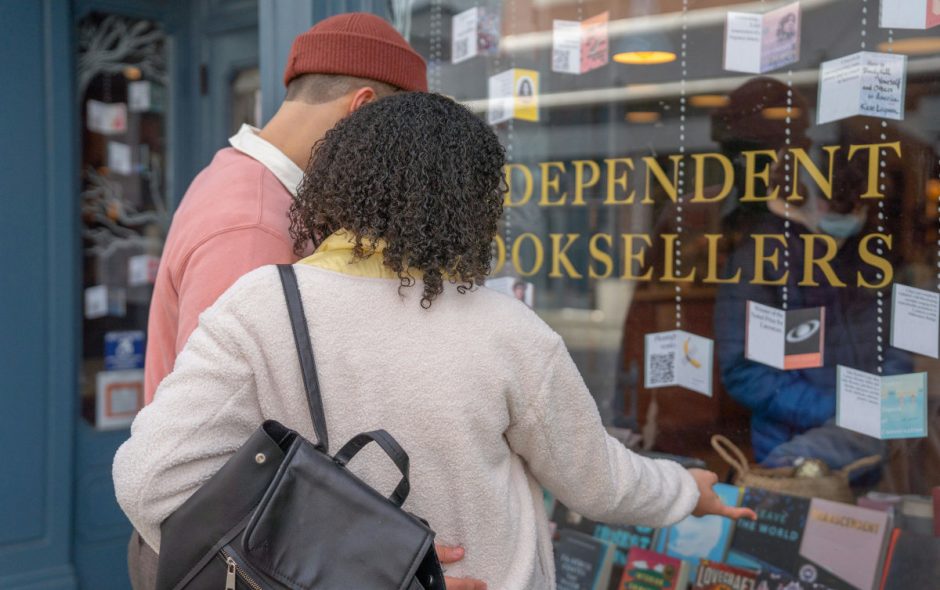
I like to listen to people in bookstores. I’ve overheard one sort of conversation many times, especially at used bookstores. The child in it can be a first-grader or a teen, and it goes about the same.