October 4–10, 2026, is Banned Books Week, when writers, librarians, and bookstores highlight books that have been banned somewhere. These include books everyone should read, such as The Adventures of Huckleberry Finn, To Kill a Mockingbird, and Animal Farm.
I oppose book bans, but not every so-called book ban really is one. The term is often abused for incendiary effect.
Bans are official acts that prohibit something. In a book ban a government authority forbids one or more of these: publishing or selling a particular book; buying, lending, reading, or possessing it; or teaching with it. Public schools are part of government, so policies forbidding students or others to read or possess certain books at school are book bans. By contrast, teachers and librarians exercising their own judgment to retire a book, or simply not to choose it, are not banning it.
My personal experience with book bans involved books we rarely mention during Banned Books Week. When I went to study in the Soviet Union in 1987, I could take in one copy of the Bible for personal use, and it had to leave with me. There were Bibles there, but I never saw one for sale, and Soviet citizens who publicly embraced that book jeopardized their jobs and housing.
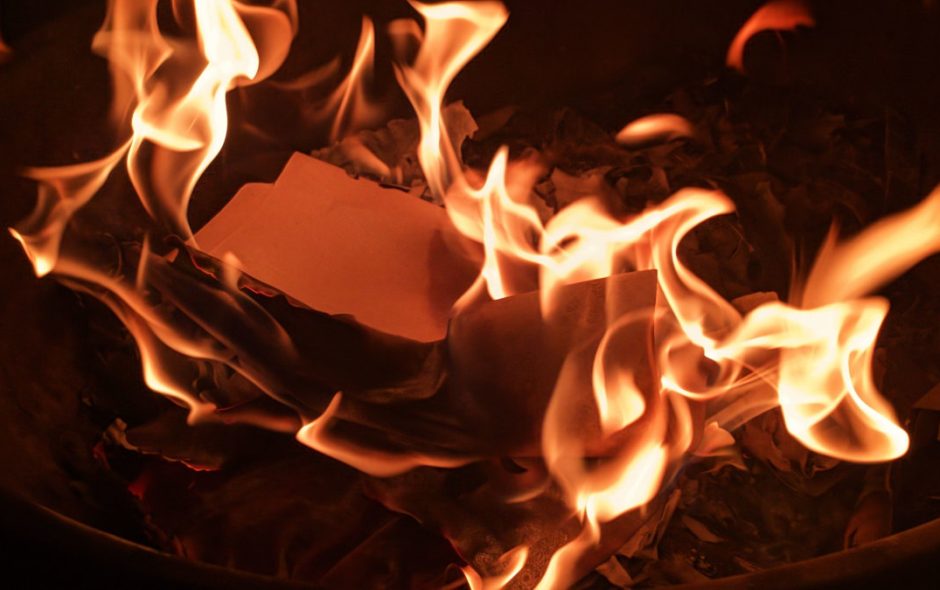
Sixteenth-century England was more brutal. People—supposed heretics—were executed for possessing pages of William Tyndale’s English translation of the New Testament.
As a Latter-day Saint, I’d also have taken the Book of Mormon to Moscow, but I was advised not to. While there, I heard it was available on the black market—where one shops for banned things.
Book bans also happen closer to home. In 2024 the Utah Legislature passed a law by which any three Utah school districts’ finding that a book is “objective sensitive material” triggers a statewide ban on that book in Utah public schools, with a short window in which the State Board of Education may reverse the ban. I may agree that some books don’t belong in an elementary school curriculum, for example, but I don’t trust any legislature or any three school districts anywhere with book-banning power. I’ve met people across the political spectrum who do, as long as their side is in charge.
A healthier approach is to trust teachers to create curriculum and librarians to curate collections—not without input or accountability, but with freedom to do their jobs. This works well on five conditions: We acknowledge that children and their upbringing are primarily their parents’ responsibility, not the state’s. We remember that public schools belong to the people. We collectively hire and retain teachers and librarians who are committed professionals and not radically at odds with the community’s values. We ensure that opposing ideas are conscientiously discussed, not suppressed, in appropriate venues and in age-appropriate ways, trusting that truth (whatever it may be) fares best in freedom. And we give greater weight to local concerns than to pressure from outside the community. If we’re failing at these things, the solution is to succeed, not to ban books.
Banned Books Week also affirms my right to read, a crucial spin-off of my freedom of speech. But I have no right to have books I want provided to me by public institutions. As a writer, I have no right to be read or to have my published fiction in a school curriculum or a library. As a citizen and taxpayer, I have no individual right to have books which advance my secular ideology or religious beliefs used in public schools. Things get more complicated, I grant, when we consider parents’ roles in their children’s upbringing and education.
In zeal or desperation, we may convince ourselves that book bans are wise, heroic, or at least necessary in defense of truth. They’re not. We don’t serve truth itself or citizens or students by refusing to expose them to error.
On my personal library shelves are marked-up books filled with ideas I find harmful or outright evil; people enacting some of those ideas have killed many millions. We don’t have to teach destructive ideas as objective truth or validate them as anyone’s personal “truth.” But we must study and debate them, not ban books containing them, to arm ourselves against folly and error and to understand and navigate the world.
Book bans are the wrong remedy for real but misdiagnosed illness. They are harbingers of greater ills to come—even in Utah.
Reprinted with permission from The American Fork Citizen, where it appeared in September 2026. Banned Books Week is a registered trademark of the American Library Association. Photo by Boston Public Library on Unsplash and Cluno at Pexels.com.
From the Author

Thanks for reading!
Comments are always welcome, within the bounds of common civility and relevance. There’s a place for them below. Absolutely no marketing, please.
Subscribe below to receive alerts of new posts by e-email.
If you liked what you read here, please consider sharing.
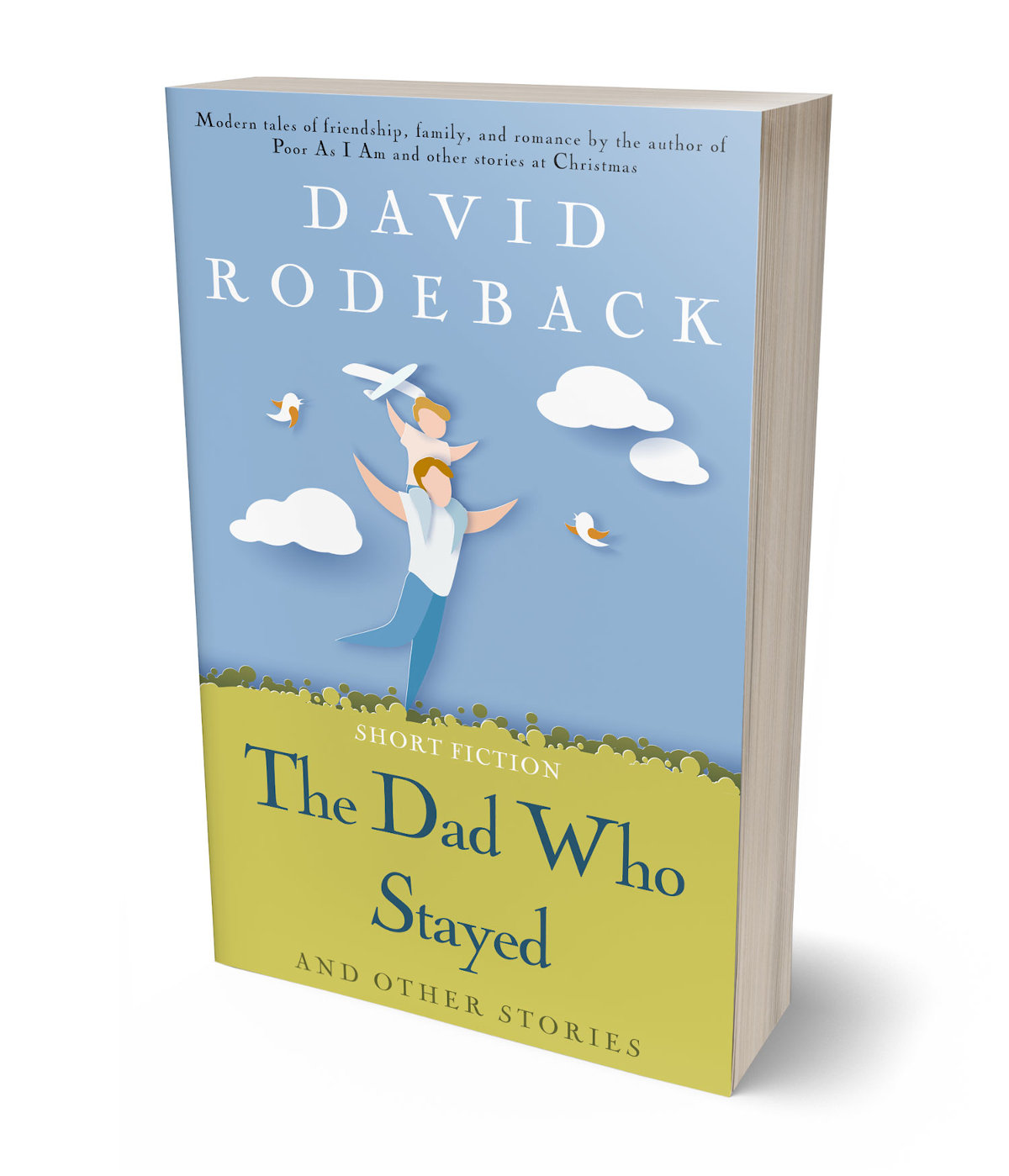
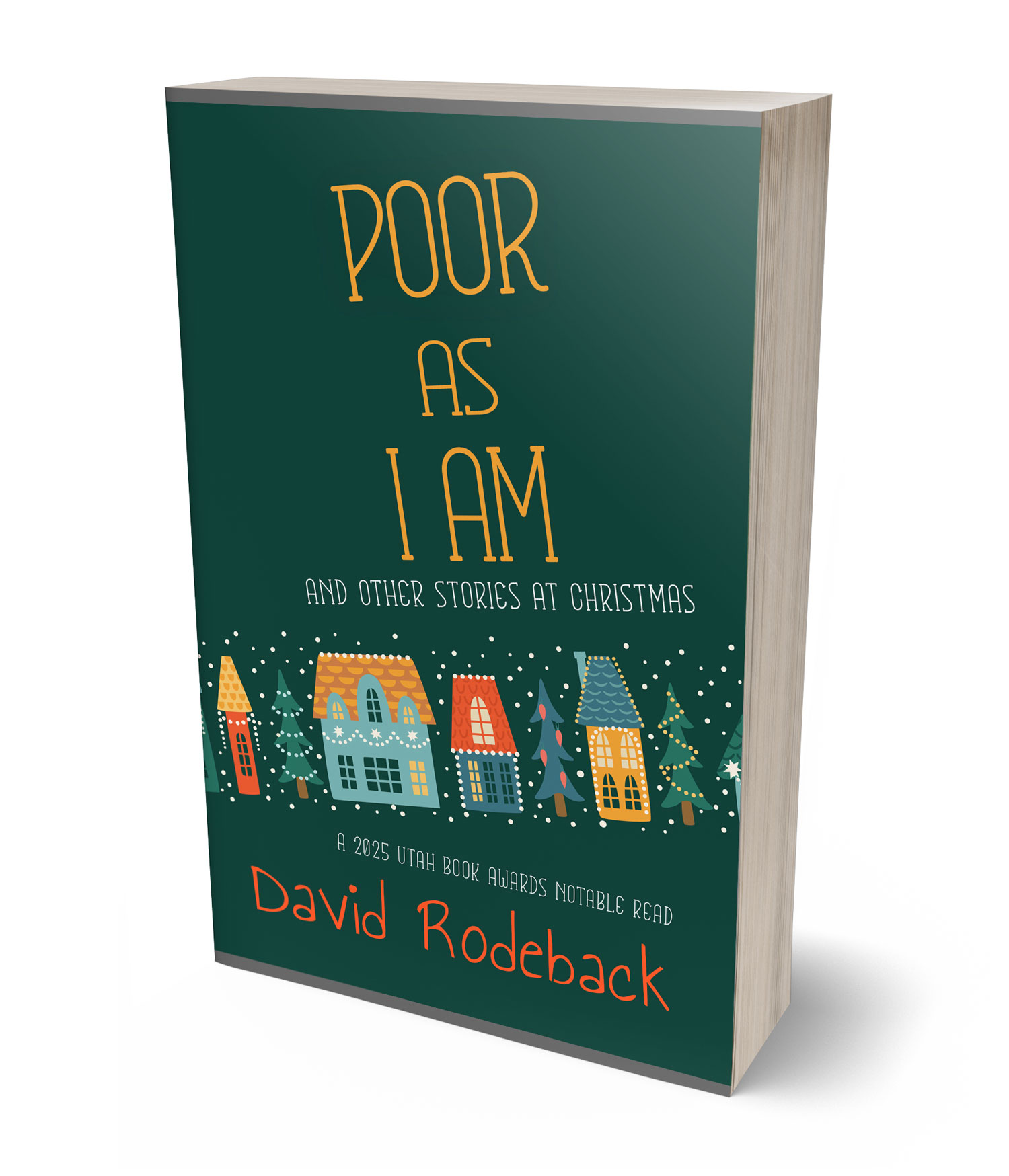
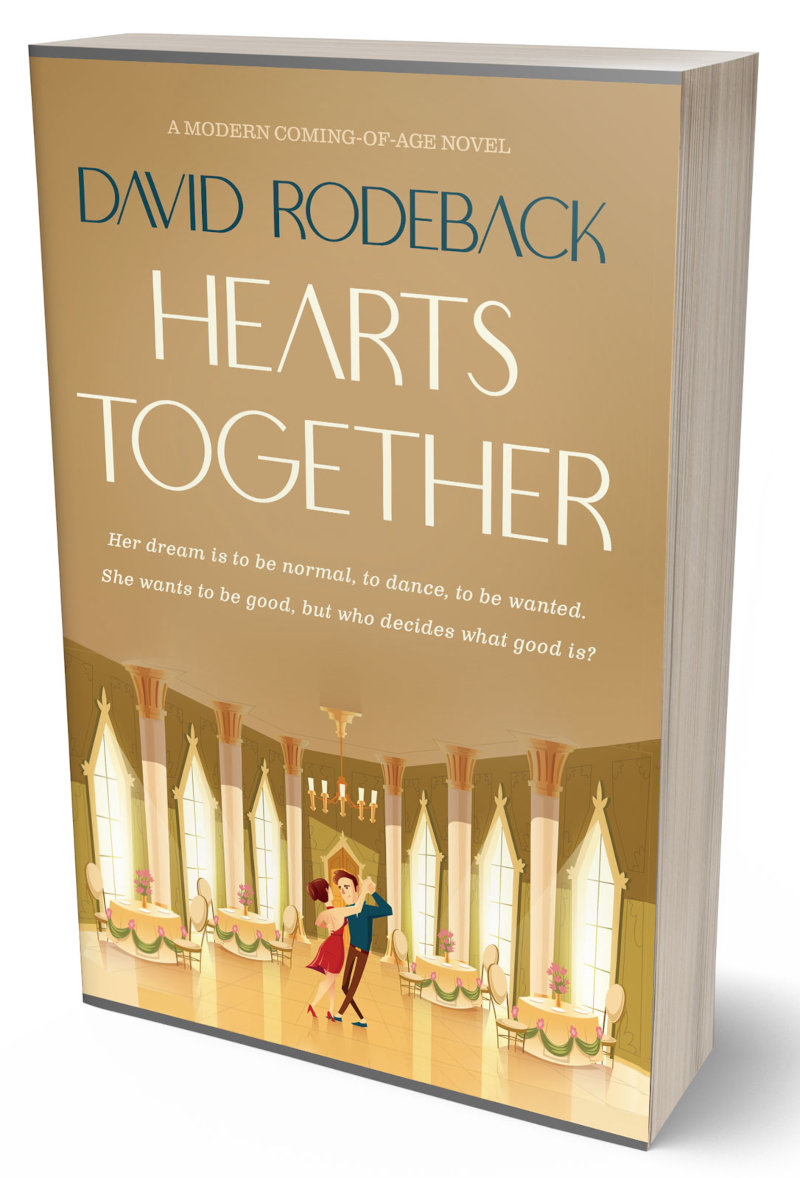
Do you enjoy reading fiction too? My two award-winning collections of short fiction and my new novel are available online at the usual retailers. Visit my press imprint, 60 East Press, to learn more.