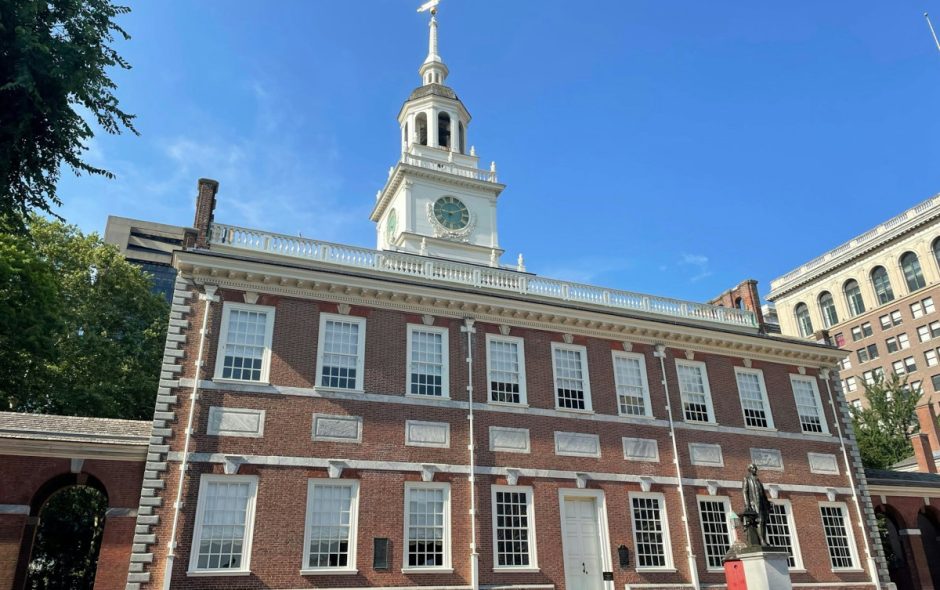
Are you looking for a book to read this summer for our 250th national birthday? Here are some of my favorites about the American founding and our Revolutionary War, plus some I haven’t read yet, which others recommend. The first five are historical fiction; the rest are nonfiction. My focus here ends at about 1783, well before the framing of the US Constitution.
A proper American childhood includes Esther Hoskins Forbes’ classic novel, Johnny Tremain, a 1944 Newbery Award winner. Fourteen-year-old Johnny is apprenticed to a silversmith but suffers an injury and must find other work. He ends up involved in early events of the American Revolution.
Robert Lawson’s Ben and Me is another gem for young readers of all ages, with its mouse’s-eye view of Ben Franklin.
Kenneth Roberts’ novels for older readers are on my reading list. Arundel and Rabble in Arms portray the Revolutionary War from ordinary soldiers’ perspectives. Oliver Wiswell portrays the period’s bitter realities and profound personal conflicts from an American Loyalist’s perspective. There’s more than one side to every story.
In nonfiction I devoured a lot of Landmark Books as a young reader, including Paul Revere and the Minutemen, Ben Franklin of Old Philadelphia, and The American Revolution. Every Landmark Book I ever read was engaging.
I’m a fan of the late historian David McCullough. Some historians grumble that he focused too much on telling the stories and too little on historical analysis, and too much on accomplishments and too little on character flaws, or that he didn’t engage in a proper leftist deconstruction of the American experiment. Yet readers flock to his books. You couldn’t make better choices this summer than 1776 and John Adams. History didn’t have to happen as it did, McCullough often said, and it very nearly didn’t.
For me George Washington is a hero among heroes. I recommend Joseph J. Ellis’s His Excellency: George Washington. Ellis cuts through the larger-than-life mythology to portray George Washington as a real person. Since I realize all humans are flawed, this doesn’t tarnish my hero. I find hope and encouragement in the accomplishments of real, imperfect people.
The Real George Washington: The True Story of America’s Most Indispensable Man by Jay A. Parry and Andrew M. Allison is a readable biography which embraces what some historians prefer to ignore or debunk: Washington’s faith and moral strength. The last 200 pages are selections from Washington’s writings, organized by topic.
Young readers will likely enjoy Ingri D’Aulaire and Edgar Parin D’Aulaire’s George Washington, a picture book with plenty of biographical meat on the bone.
Two of my out-of-the-box favorites about this period are Eric Burns’ Infamous Scribblers: The Founding Fathers and the Rowdy Beginnings of American Journalism and Bruce E. Johansen’s Forgotten Founders: How the American Indian Helped Shape Democracy. A promising young historian I know recommends Alan Taylor’s American Revolutions and, on the Declaration itself, Pauline Maier’s American Scripture.
I love to read historical figures’ own words, including their letters and speeches. Here I recommend six beautiful books from the vast Library of America series: Thomas Jefferson: Writings, George Washington: Writings, and four I’ve only browsed: two volumes of The American Revolution: Writings from the Pamphlet Debate; and two of Benjamin Franklin’s words. For a smaller but still robust dose of Franklin, grab a copy of his autobiography instead.
You might consider reading Thomas Paine’s Common Sense, a 47-page, bestselling incendiary device that ignited public debate about independence in January 1776.
My future reading list also includes Joseph J. Ellis’s highly-regarded Founding Brothers: The Revolutionary Generation and Walter Isaacson’s Benjamin Franklin: An American Life.
Perhaps you’ve noticed a lot of men’s names in these titles and wondered about the women. I have sampled and recommend The Letters of John and Abigail Adams. Others recommend, but I haven’t read, Woody Holton’s biography, Abigail Adams: A Life, and Carol Berkin’s Revolutionary Mothers: Women in the Struggle for America’s Independence.
I’ve read about half of these books and sampled most of the rest. This summer I plan to reread 1776. Then, if I can resist rereading Johnny Tremain next, I’m tempted toward Oliver Wiswell. It’s almost 1,200 pages, so it may stretch beyond summer. But I love a long novel, even a very long novel. Maybe I’ll take up the Adams’s correspondence at the same time. That’s another 500 pages or so. Whatever else we read this summer, let’s not forget to reread the Declaration of Independence. Preferably aloud. For added effect, read all the signers’ names aloud too.
Here’s a recording of me reading the Declaration of Independence aloud a few years ago, in case you’d prefer to listen and read along. Here’s a link to the transcription I used at the National Archives.
Originally published in The American Fork Citizen in June 2026. Reprinted with permission.
Photo by Ernie Journeys on Unsplash.
From the Author

Thanks for reading!
Comments are always welcome, within the bounds of common civility and relevance. There’s a place for them below. Absolutely no marketing, please.
Subscribe below to receive alerts of new posts by e-email.
If you liked what you read here, please consider sharing.
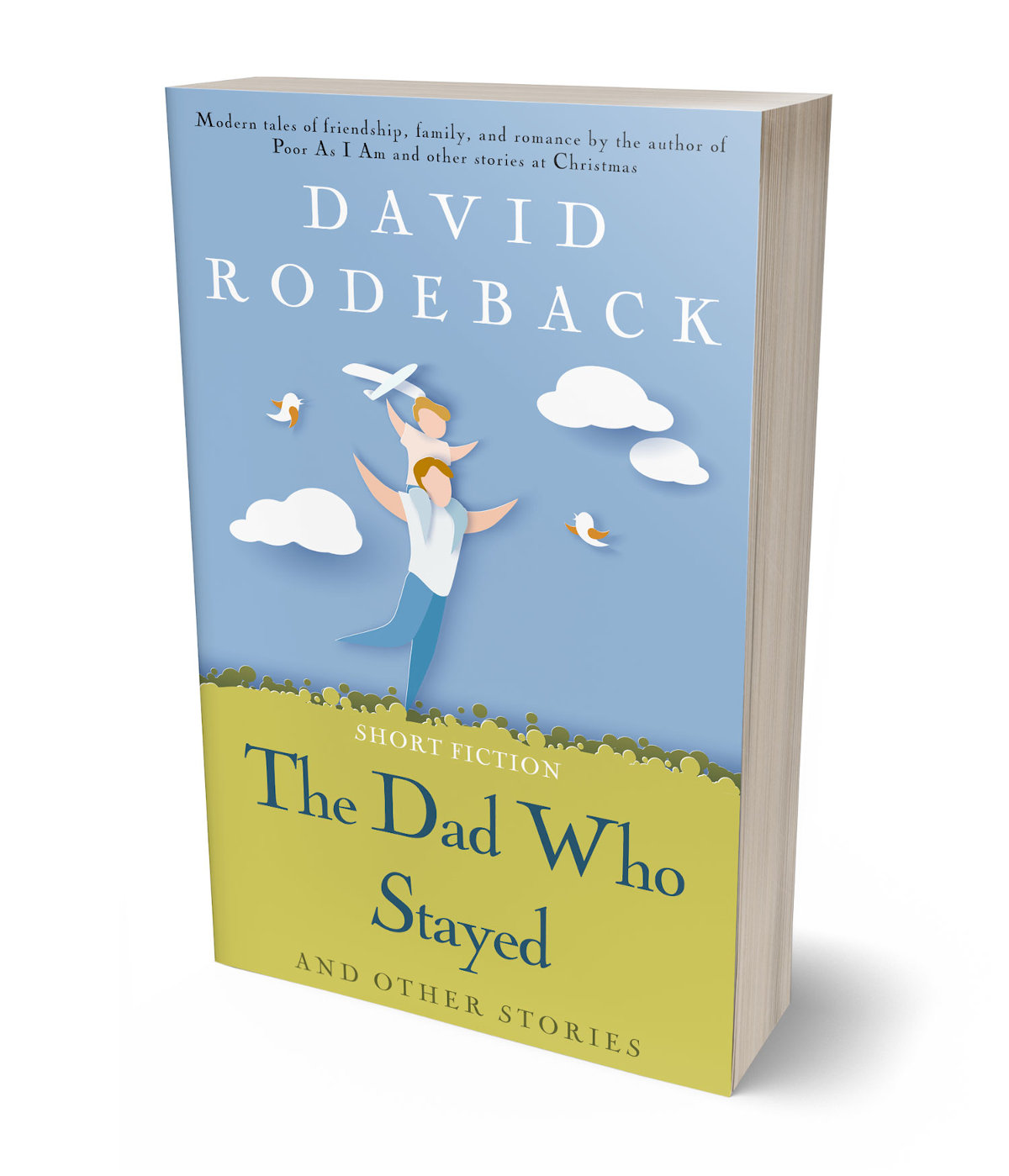
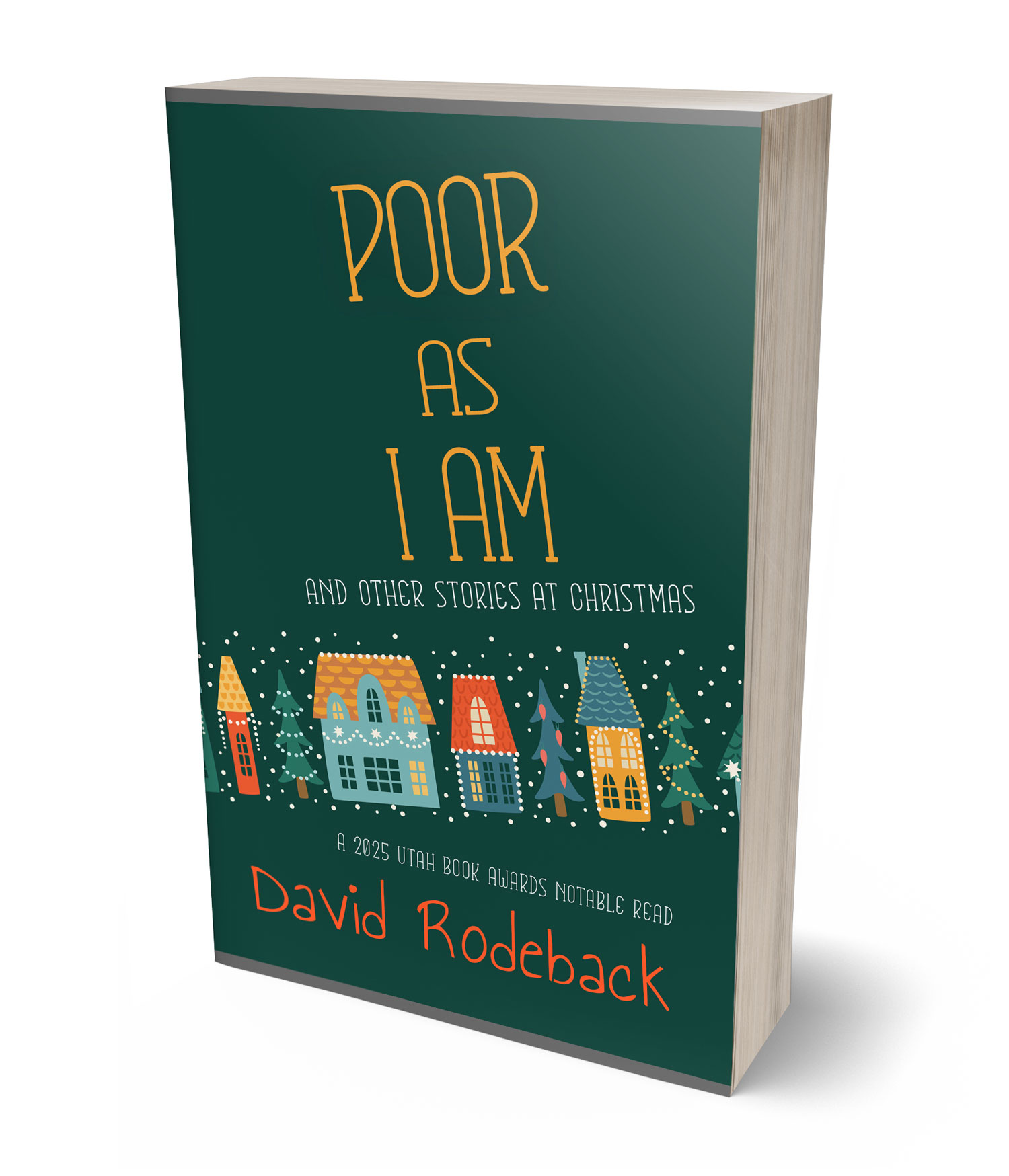
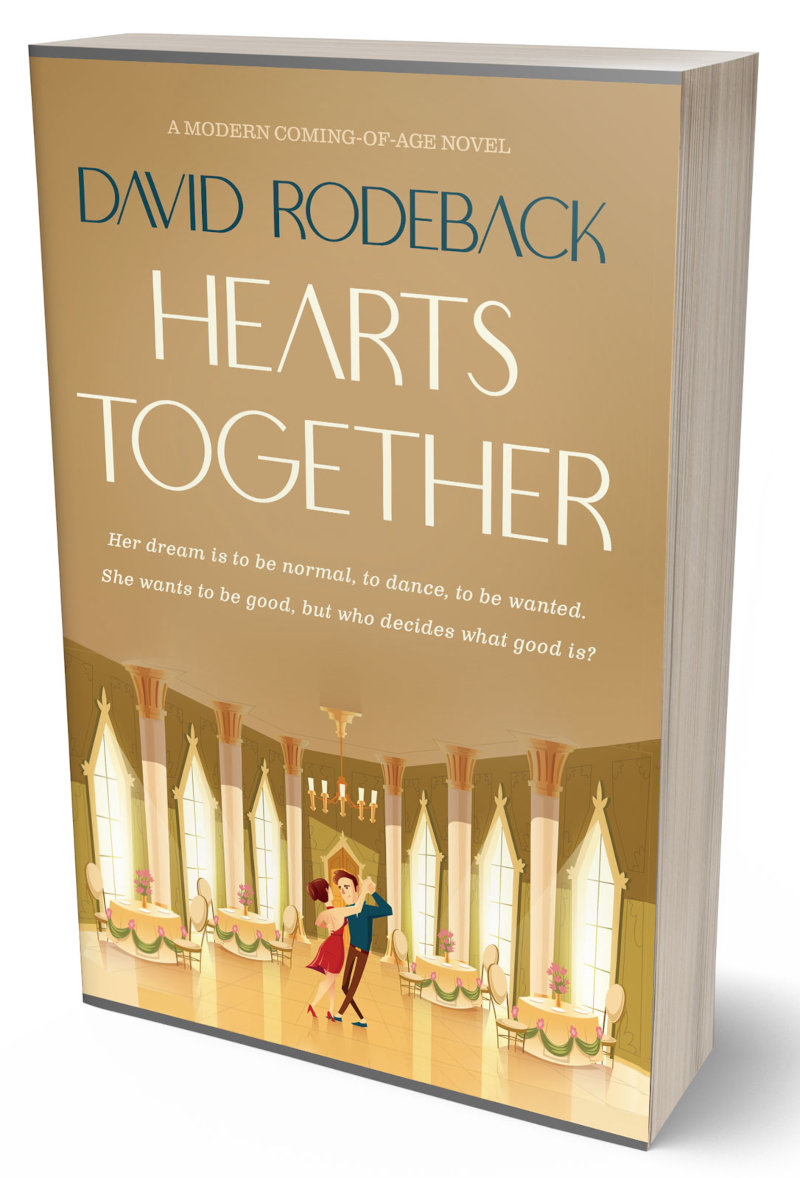
Do you enjoy reading fiction too? My two award-winning collections of short fiction and my new novel are available online at the usual retailers. Visit my press imprint, 60 East Press, to learn more.